
Year
1960
Date
Not specified
Category
Infrastructure
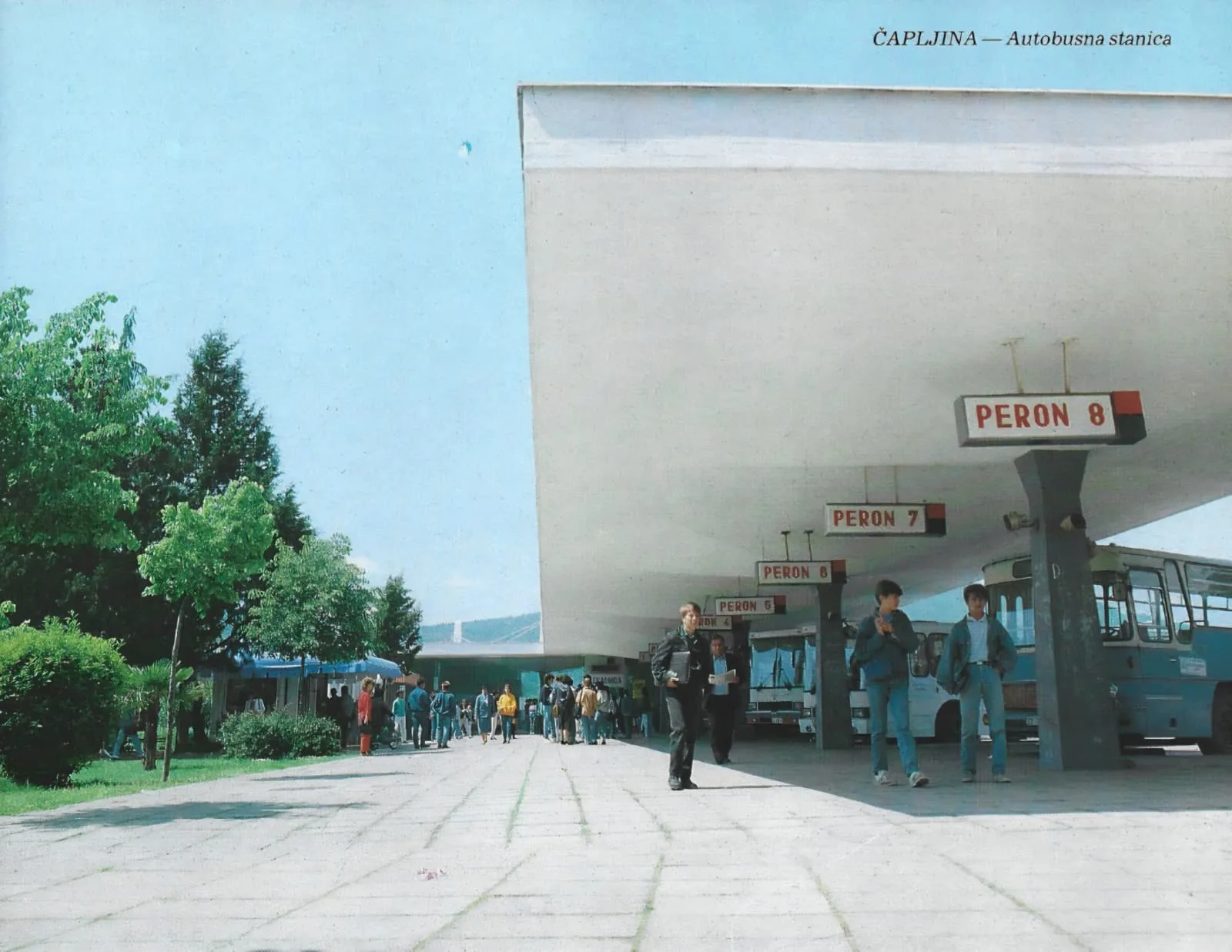
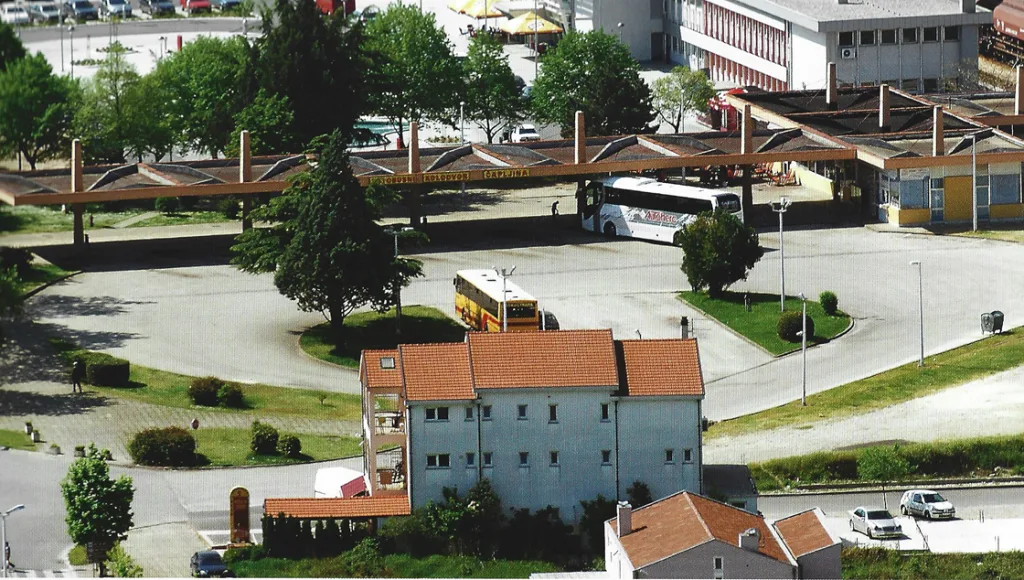
The bus station in Čapljina may today seem like an ordinary stop through which people just pass, but its story is actually part of the broader picture of the city's development. Čapljina has always been an important traffic point in the Neretva valley. Even during the Austro-Hungarian period, a narrow-gauge railway passed through the city, the famous Ćiro, which connected the interior with the sea and brought life, trade, and the movement of people.
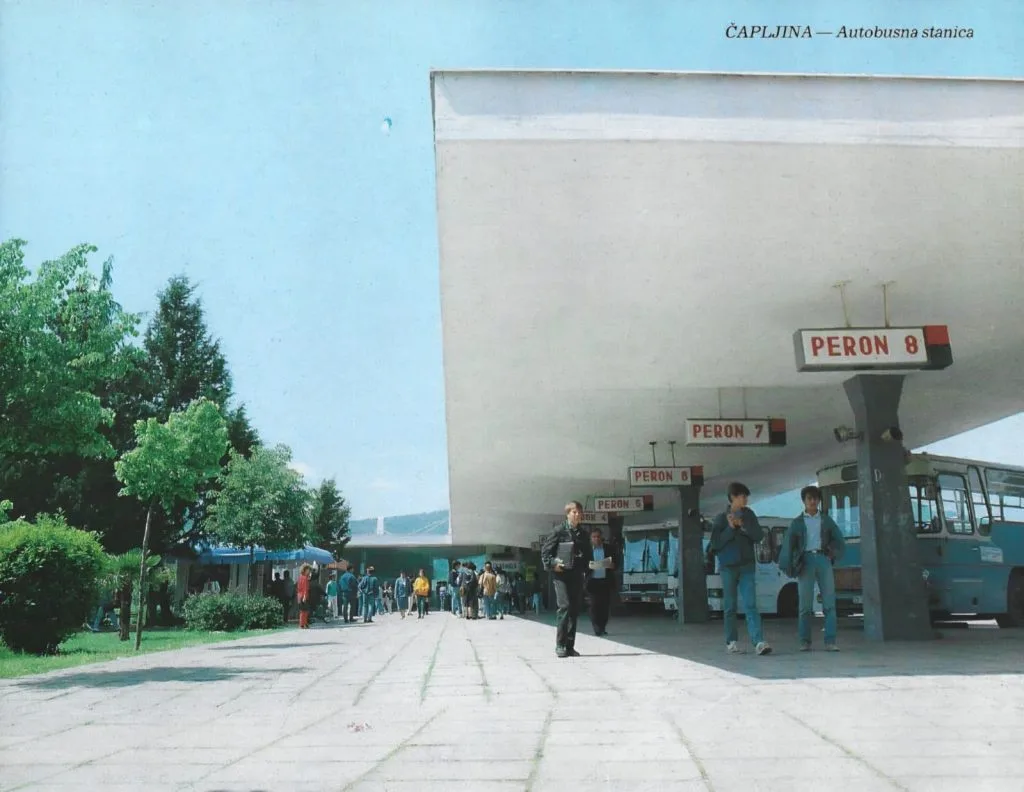
The bus station in Čapljina may today seem like an ordinary stop through which people just pass, but its story is actually part of the broader picture of the city's development. Čapljina has always been an important traffic point in the Neretva valley. Even during the Austro-Hungarian period, a narrow-gauge railway passed through the city, the famous Ćiro, which connected the interior with the sea and brought life, trade, and the movement of people. When that line was abolished in the mid-20th century, it was clear that road traffic would take on the main role.
It was precisely during this period, in the sixties and seventies, when Čapljina was developing as an urban center with industry, schools, and new settlements, that the bus station as we know it today was formed. It was not built as a large and representative building, but as a functional place that would meet the needs of the city – a place for departures and arrivals, meetings and farewells, daily travels and returns home.
For years, the station was one of the main points of life in the city. From there, people left for work, school, the sea, but also for the world. Many left Čapljina for the first time from that place, seeking a better life, and returned on those same buses, bringing back stories and memories.
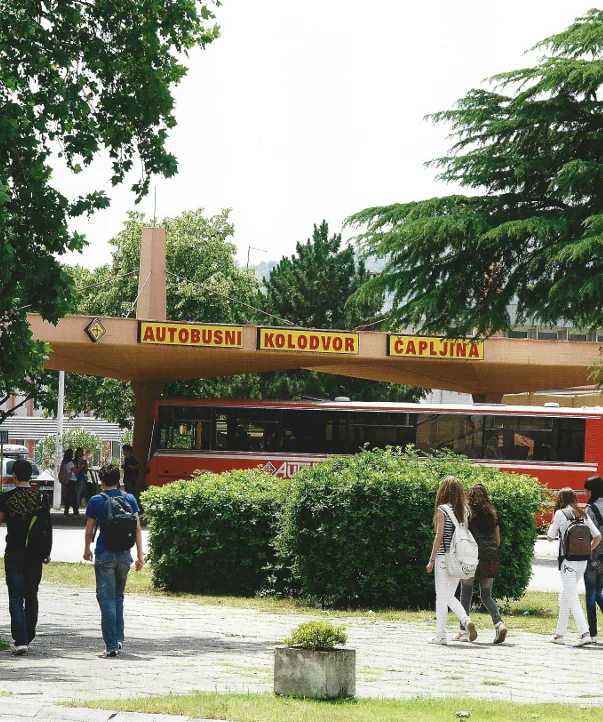
Today, the bus station still has its role. Although the way of traveling is changing, and the city is developing in a new direction, it remains an important traffic link that connects Čapljina with the rest of Bosnia and Herzegovina, as well as with abroad. It is not just infrastructure – it is a quiet testimony to a time when life was lived more slowly, yet connected, and a reminder of all those departures and returns that have marked generations of this city.
Move to the neighbouring archive entries in chronological order.